Occasion first
The event, theme and date narrow the choice before personal taste does.
Founder-led product / 2023-present
The gown should fit the occasion without taking over her life.
It is not her birthday or her wedding. She has somewhere to be, a theme to meet and very little time to solve it. One By One was designed as a calmer route from invitation to a gown that fits.
01 / The overlooked occasion
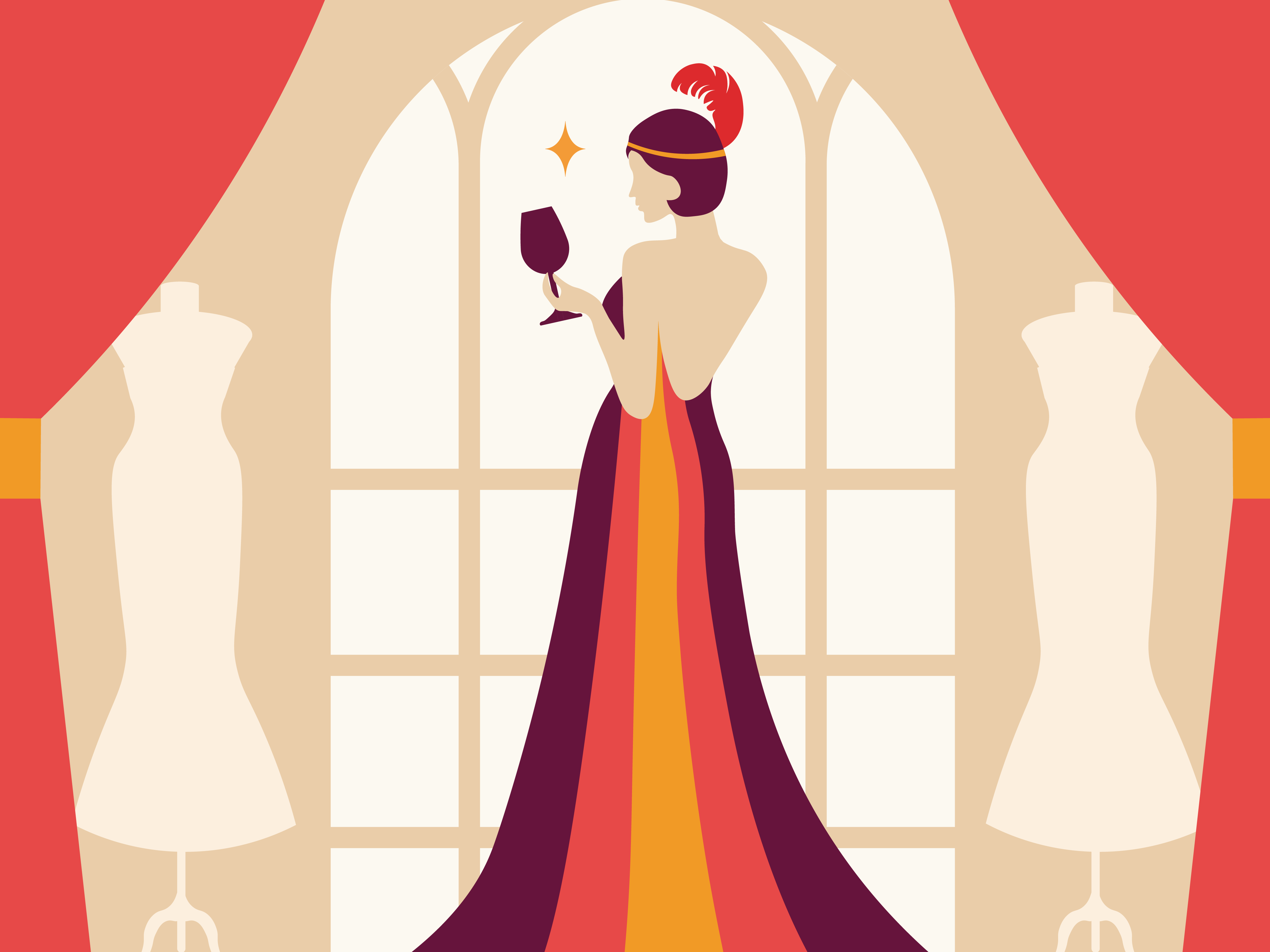
Most occasionwear language centres the bride, birthday woman, or red-carpet entrance. One By One focused on the guest: someone who still needs to respect a dress code and feel good, but cannot spend days shopping for a single evening.
The service proposition combined a curated rental wardrobe with one-to-one fittings, alterations, styling support, dry cleaning and optional house calls. The product had to reduce effort while the service carried the reassurance.
“I need to fit the theme, trust the fit and get on with my week.”
02 / Research direction
The early research and service planning reframed gown rental from browsing fashion to resolving an upcoming obligation. Four needs became the product lens.
The event, theme and date narrow the choice before personal taste does.
Measurements and fitting support matter more than a long catalogue without guidance.
Discovery, reservation and fitting must work around a busy week.
One customer at a time turns uncertainty into a guided decision.
03 / A service with a point of view
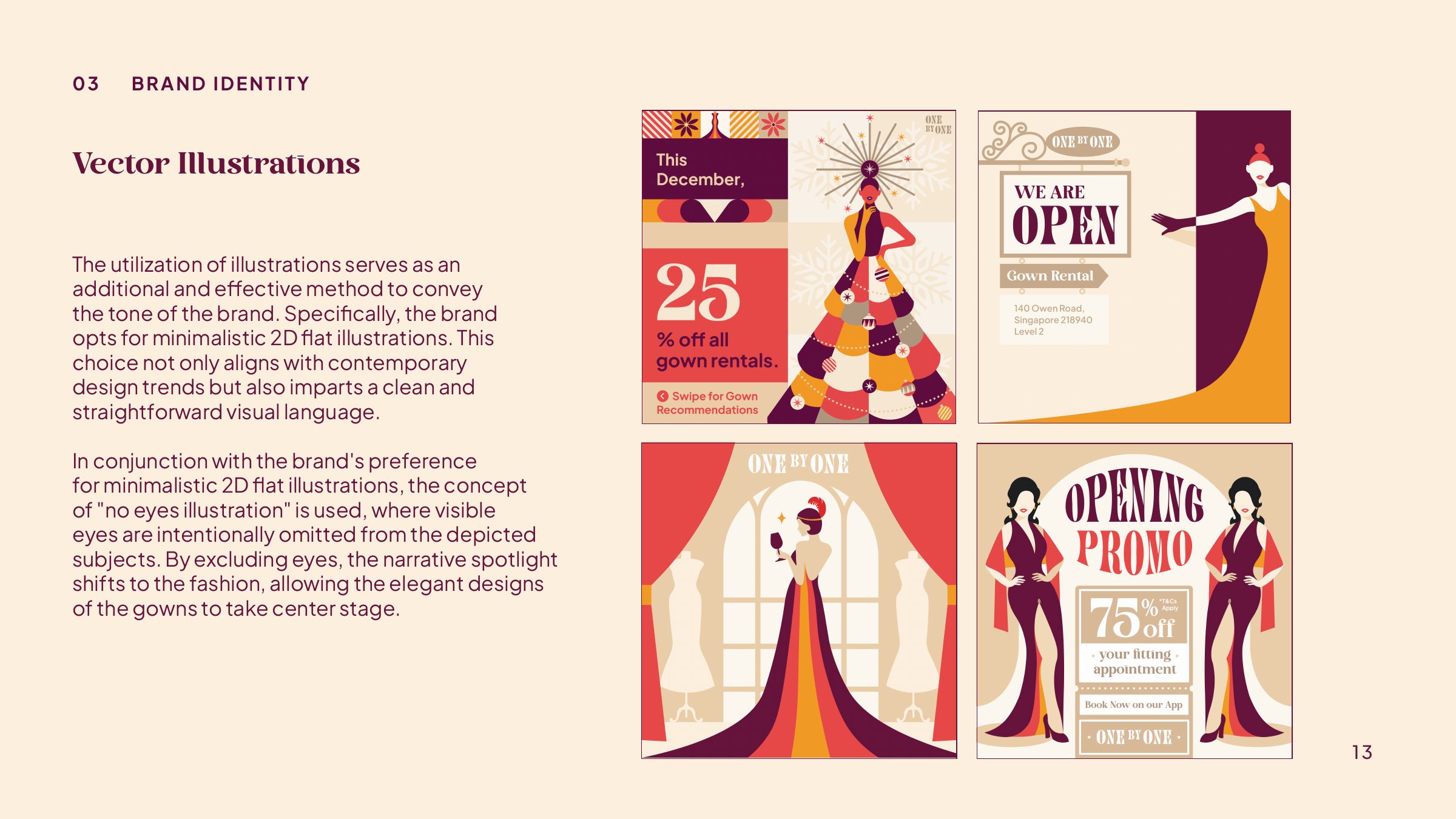
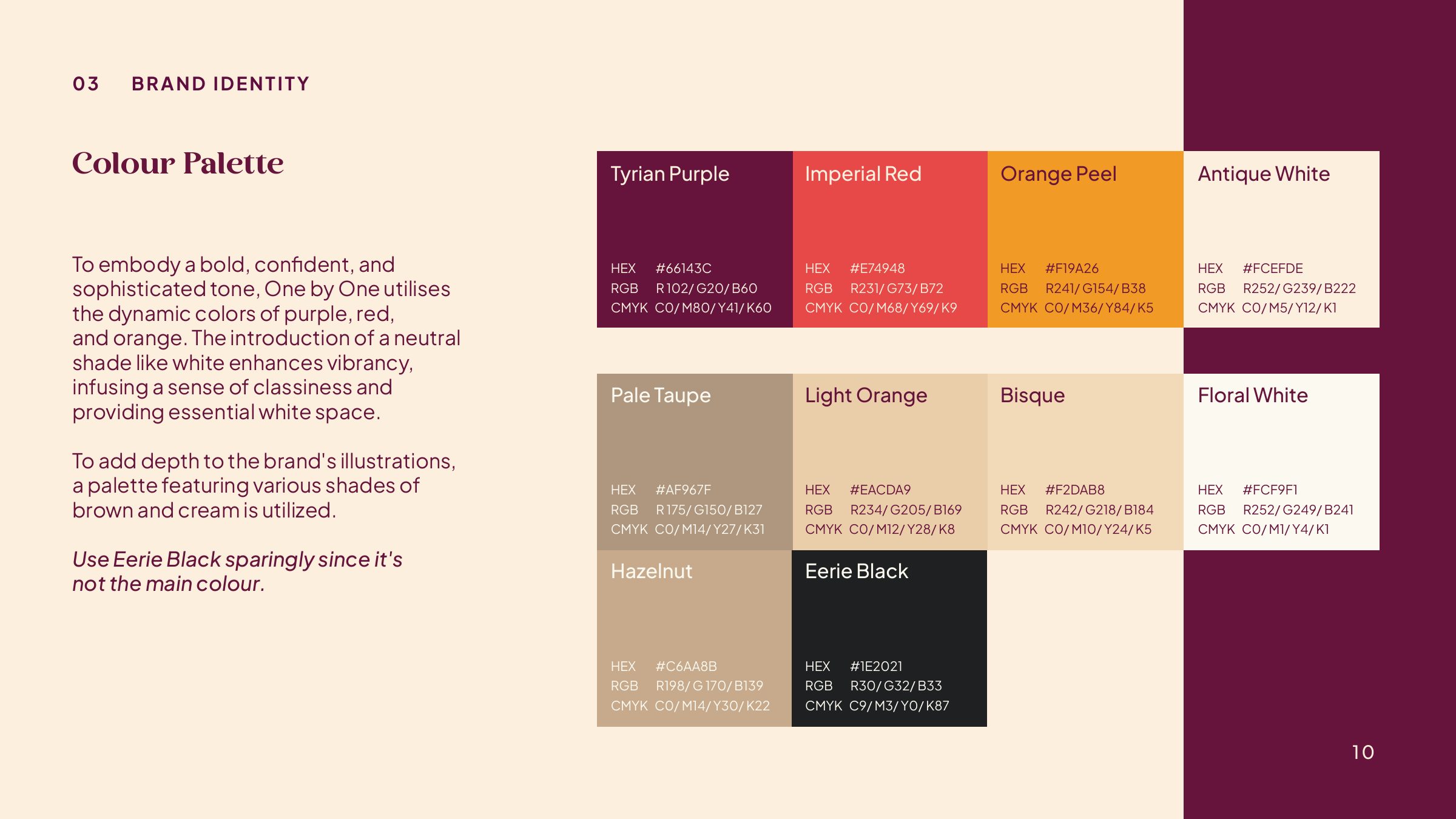
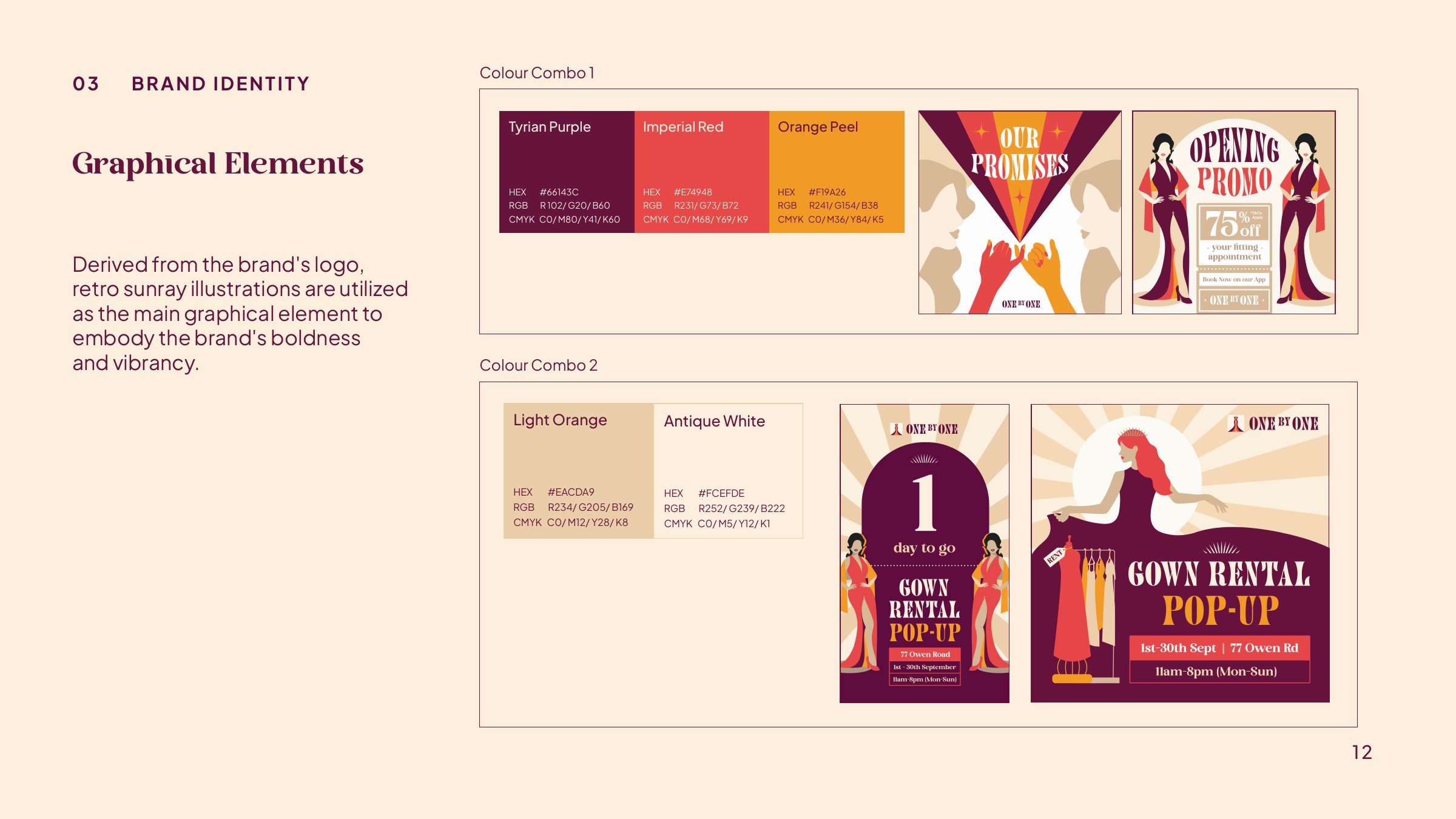
The identity needed to hold luxury, accessibility and the environmental value of giving gowns another life. Tyrian purple, imperial red and orange supplied confidence; warm neutrals kept the system approachable.
A retro sunray system and flat, eyeless figures kept attention on silhouette and clothing. The resulting language extended beyond a logo into campaigns, catalogue pages, fitting communications and the app.
04 / From invitation to fitting
The app was the first operational expression of the service: a place to browse a curated collection, understand each gown, reserve it and move into a one-to-one fitting rather than start again in chat.
I worked across product design, brand, catalogue structure, pricing, customer experience and delivery. Running the venture meant the interface could not be separated from inventory, fittings, alterations and the questions customers asked before committing.
Frame the search around where she is going and when.
Use size and garment measurements to make the shortlist credible.
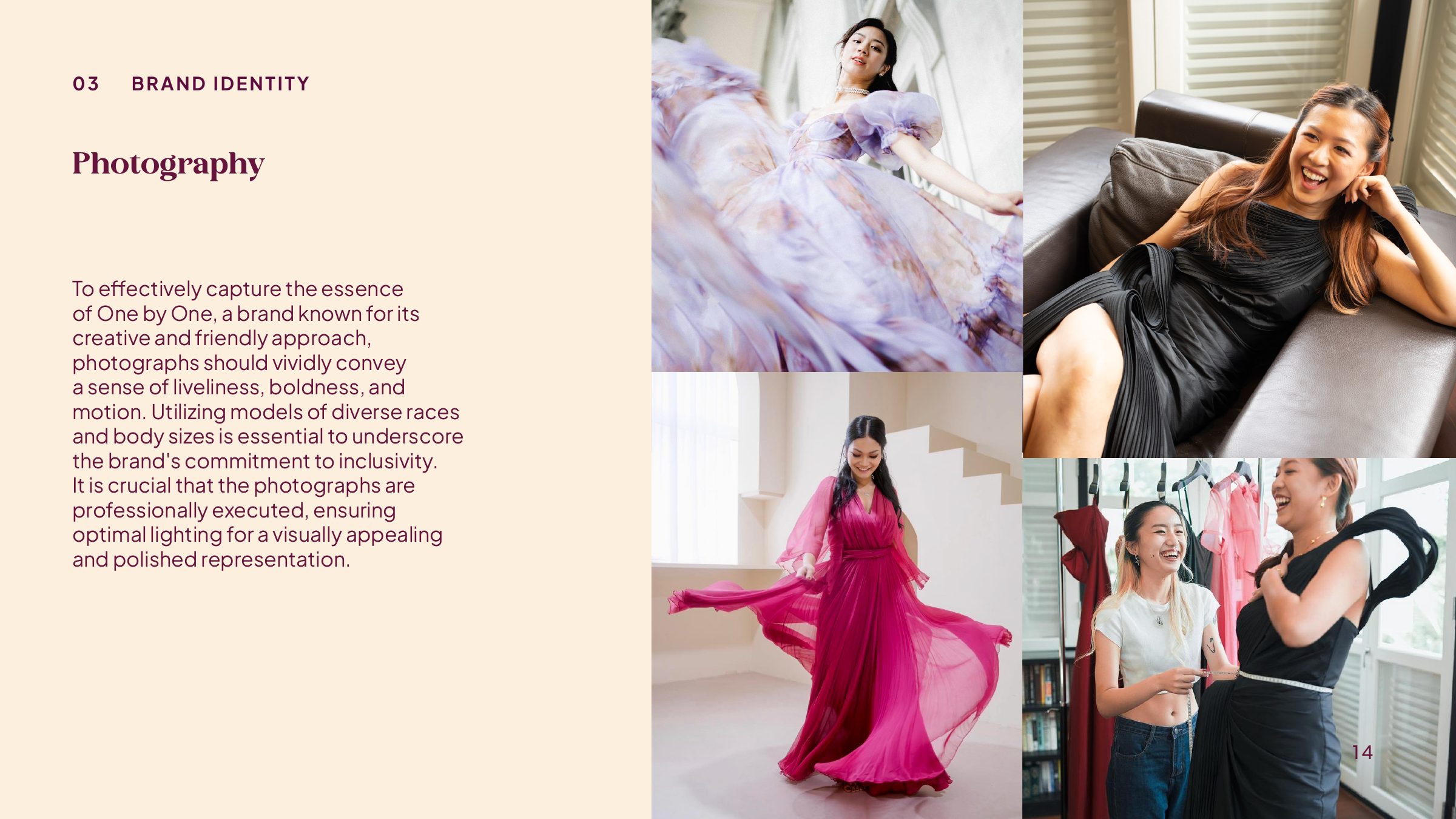
Pair photography with movement, silhouette, price and styling context.
Reserve a private fitting or bring the fitting experience to her.
Build 01 / Admin
A companion admin panel connected the catalogue and booking journey to the work behind the service. It gave the operating side one place to manage gowns, availability, customer requests and fittings instead of letting the product end at submission.
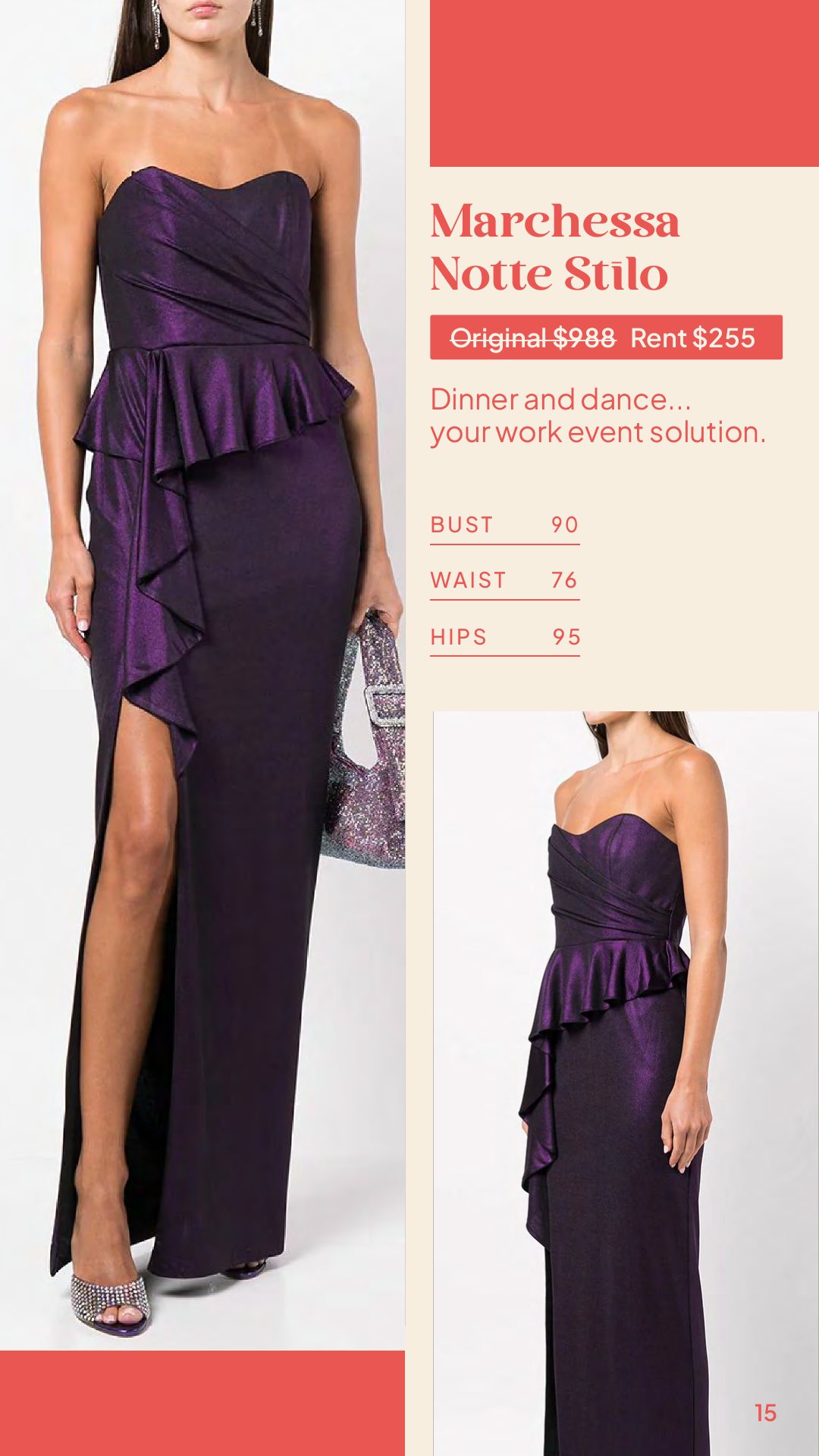
Catalogue as product content
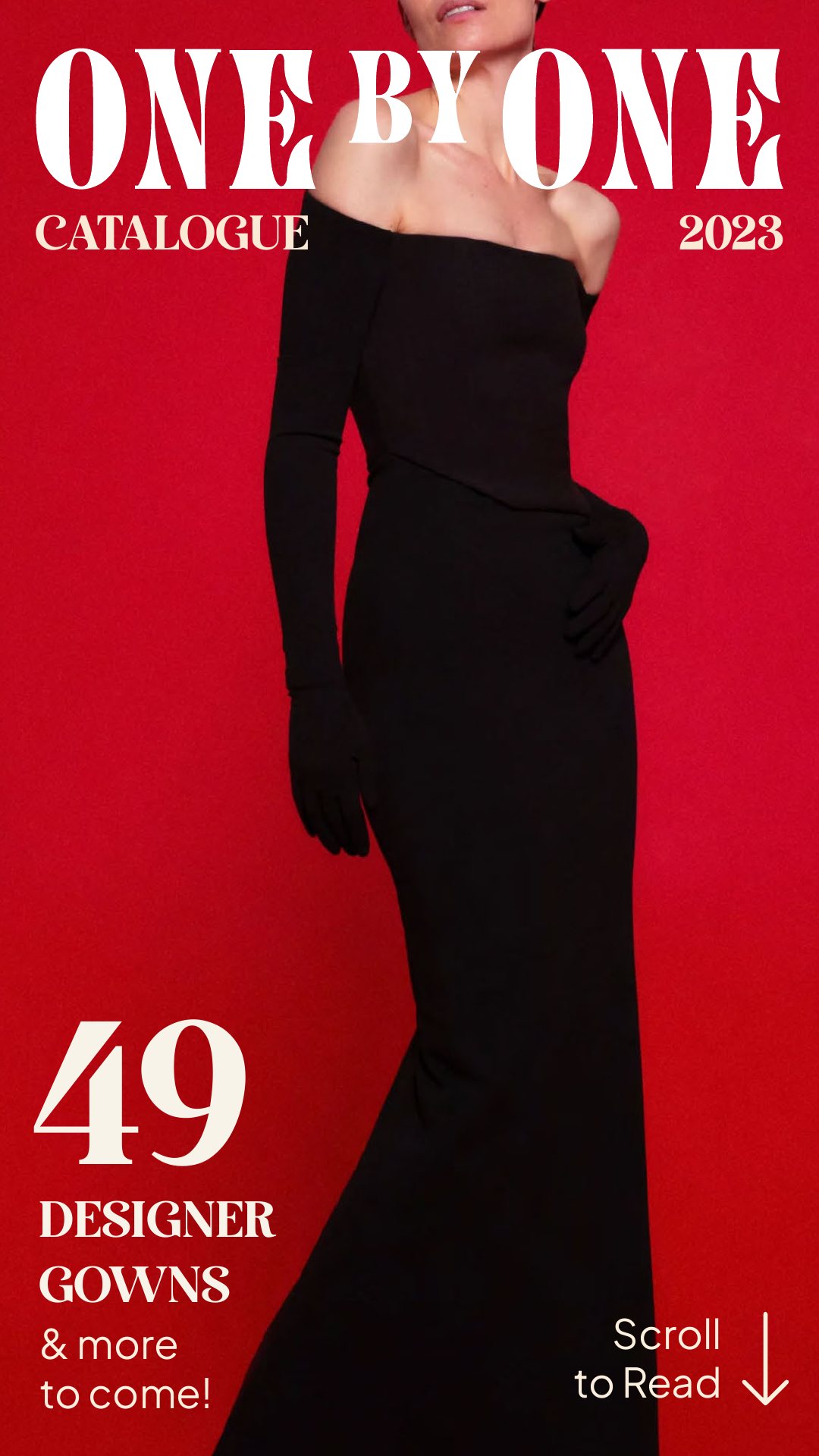
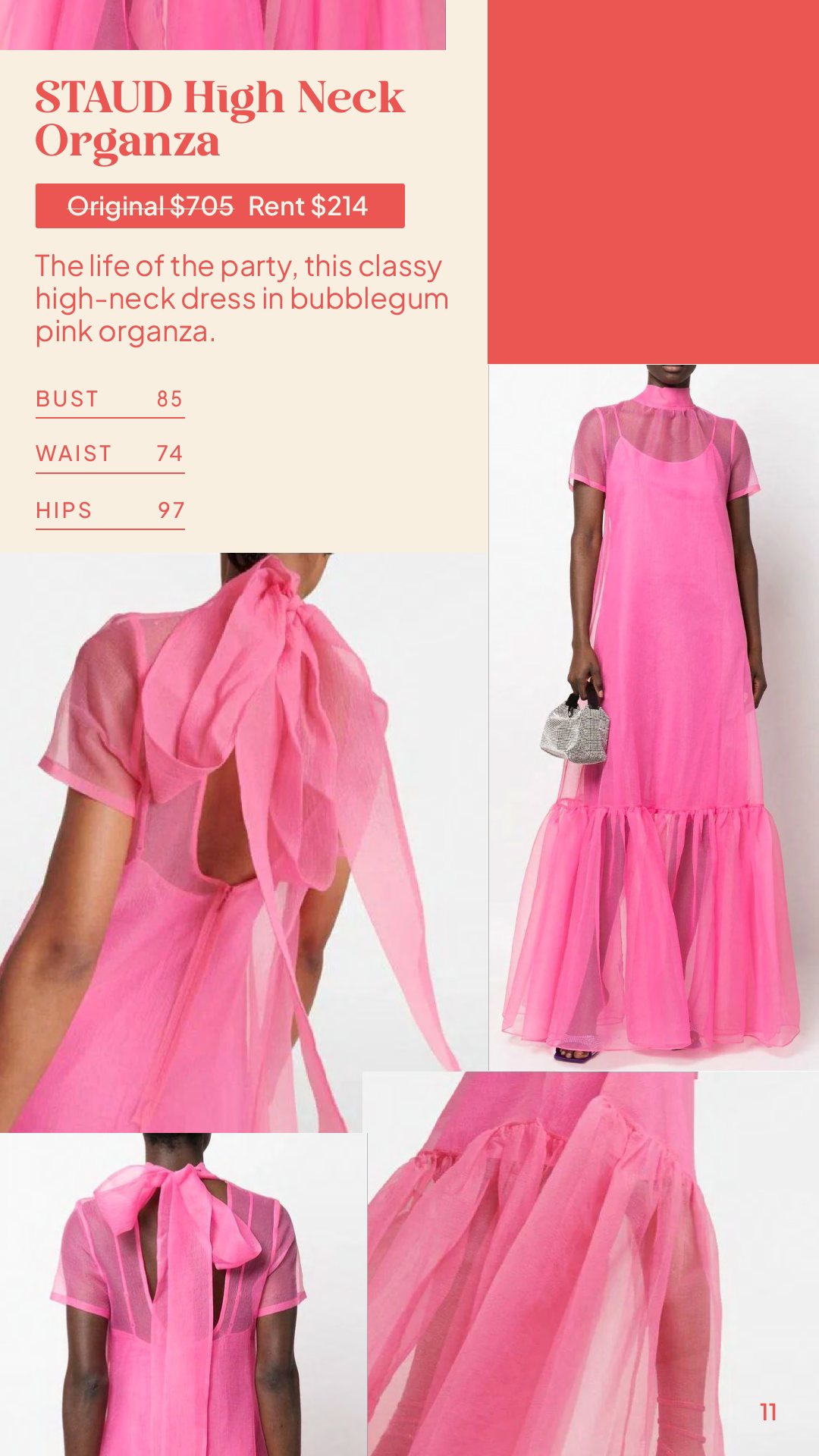
The original 49-gown mobile catalogue organised the collection by size and series, then paired measurements with plain-language occasion guidance. It was not just inventory presentation; it helped customers decide whether a gown suited their body and their event.
05 / Change the channel, keep the service
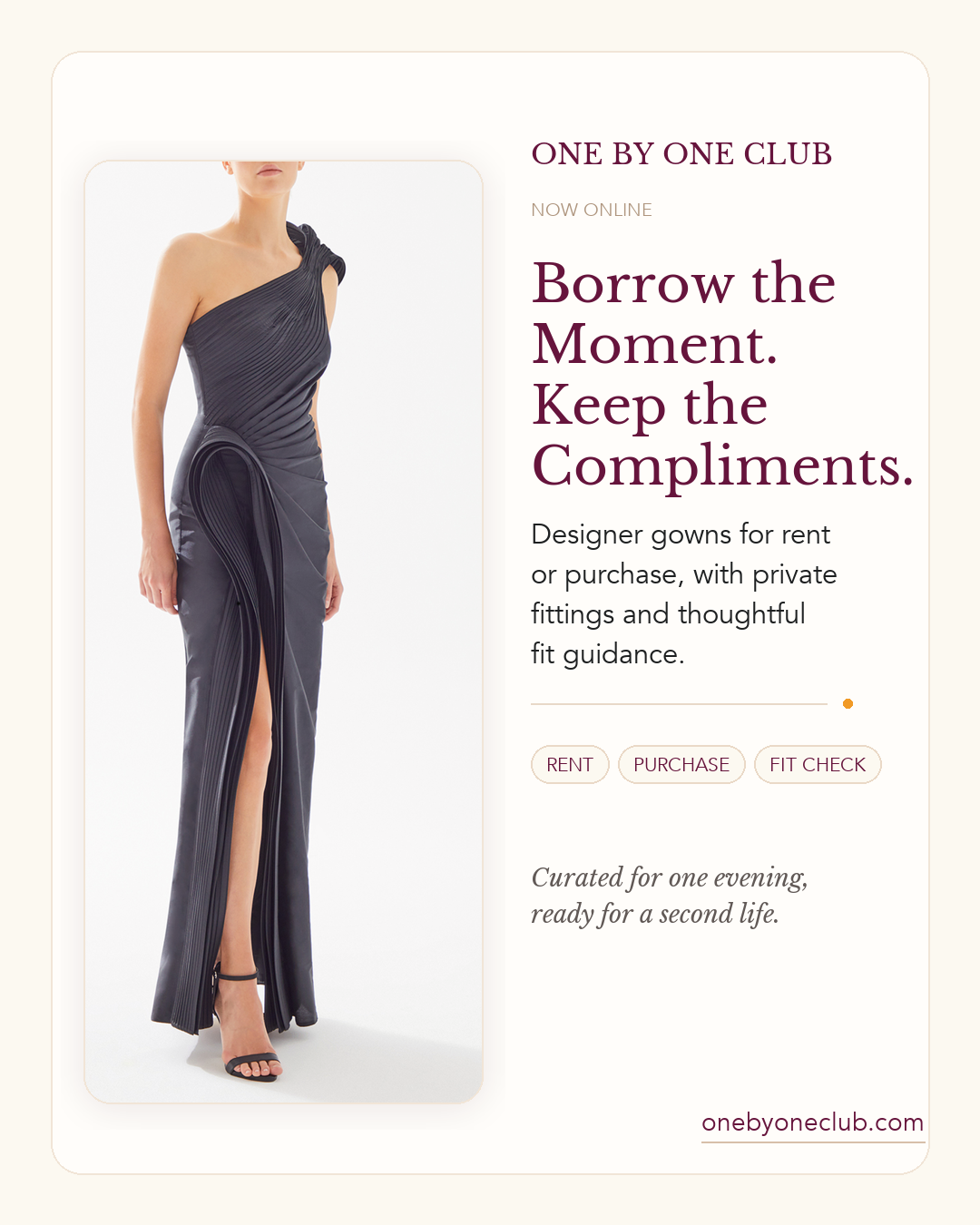
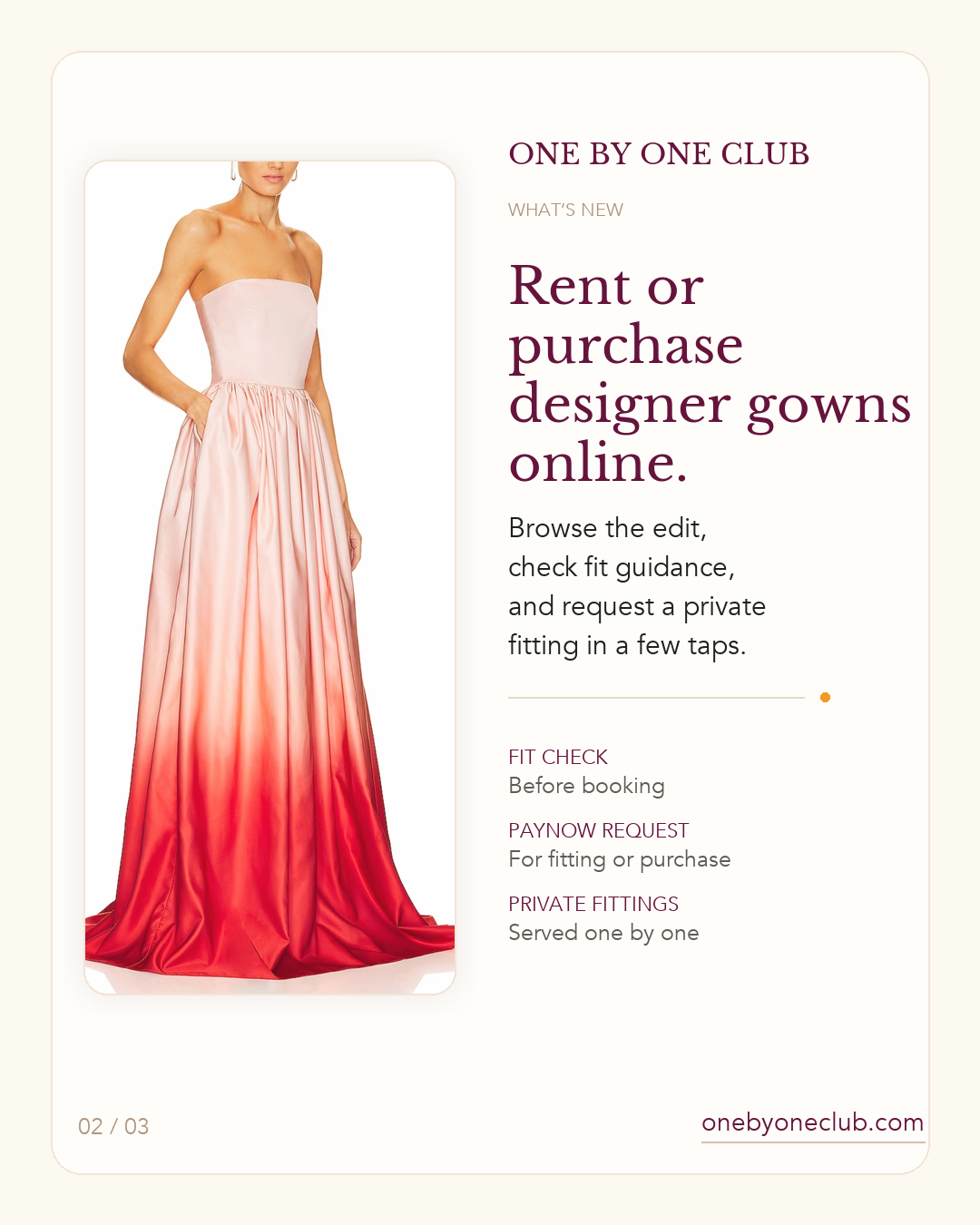
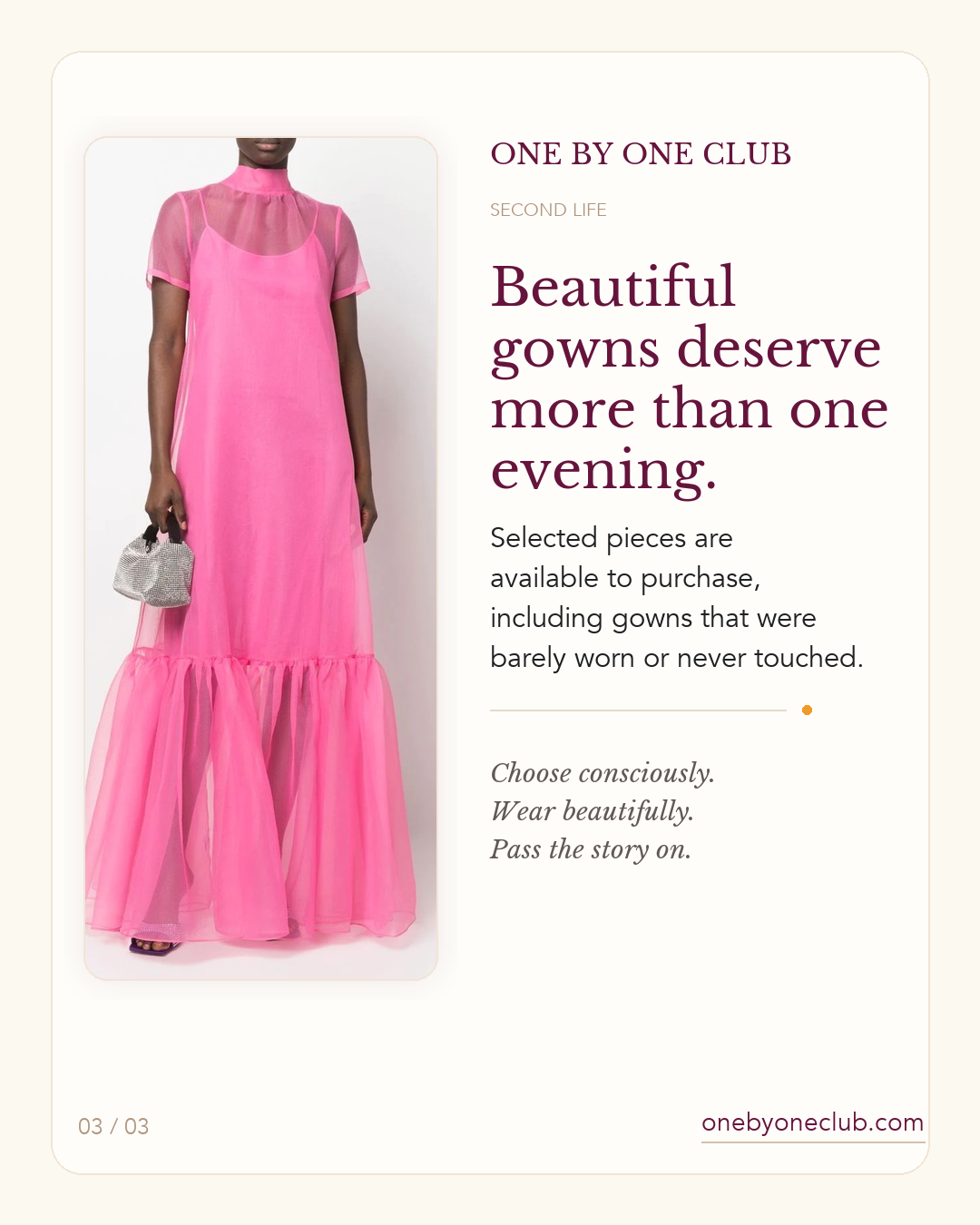
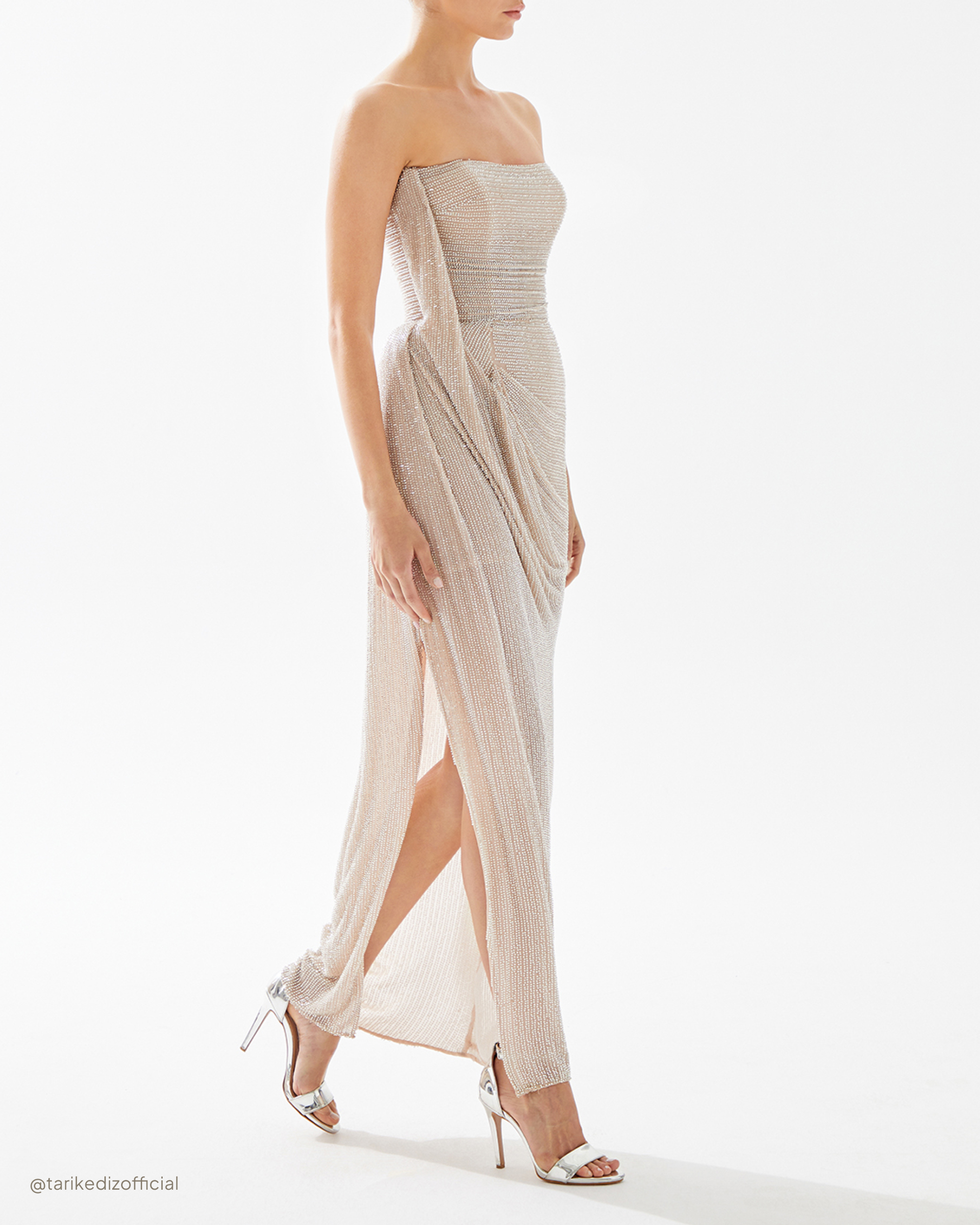
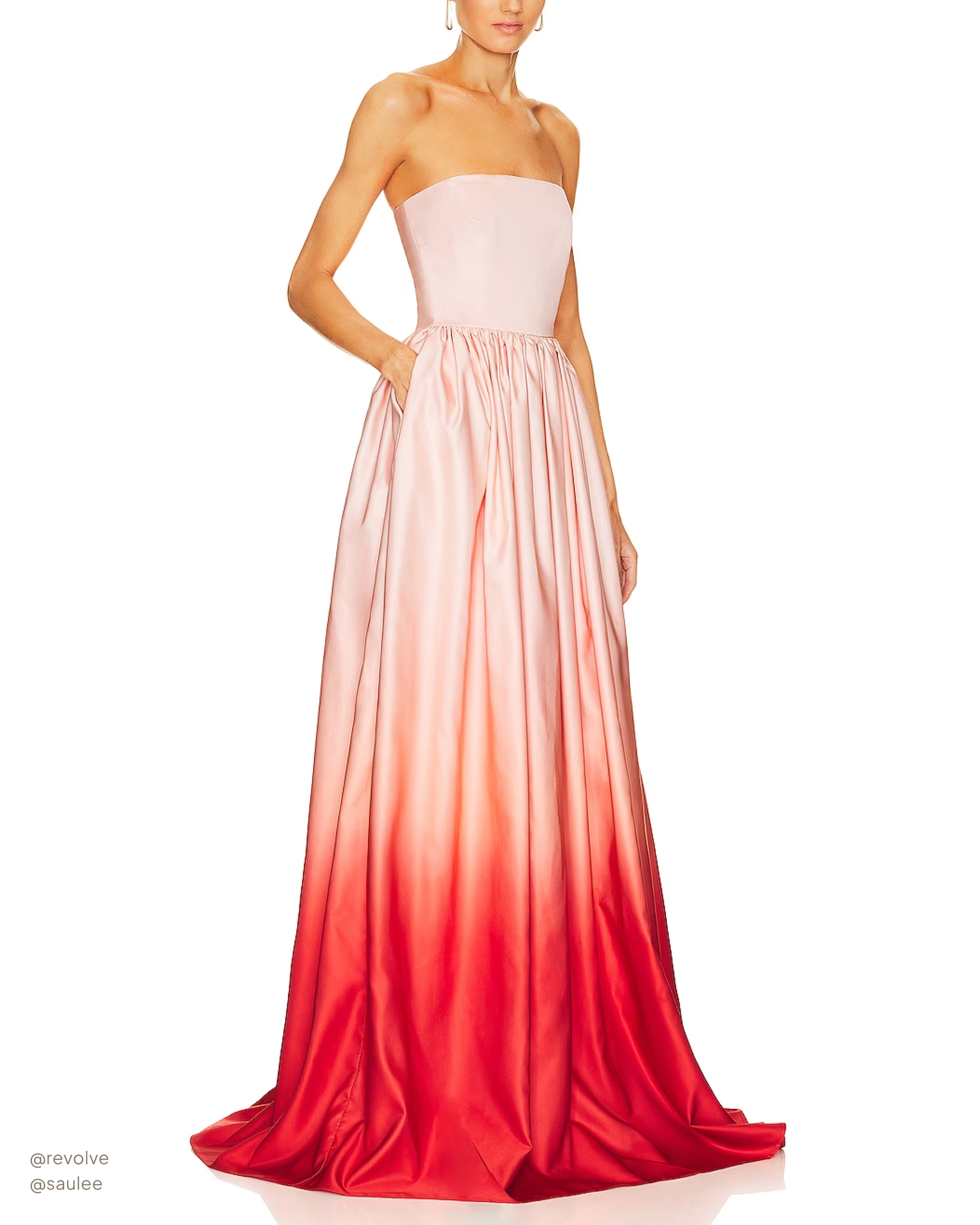
The next iteration moved One By One onto the web. Customers can now browse without installing an app, enter their event date and measurements, compare their fit against individual gowns and choose between rental and selected second-life purchases.
The website was built with Codex as an AI-assisted development partner. I directed the product, experience, content, business rules and quality decisions, translating what I had learned from operating the service into a working product.
Fit check
The second build makes fit guidance available before a customer opens an individual gown.
Visit the live product ↗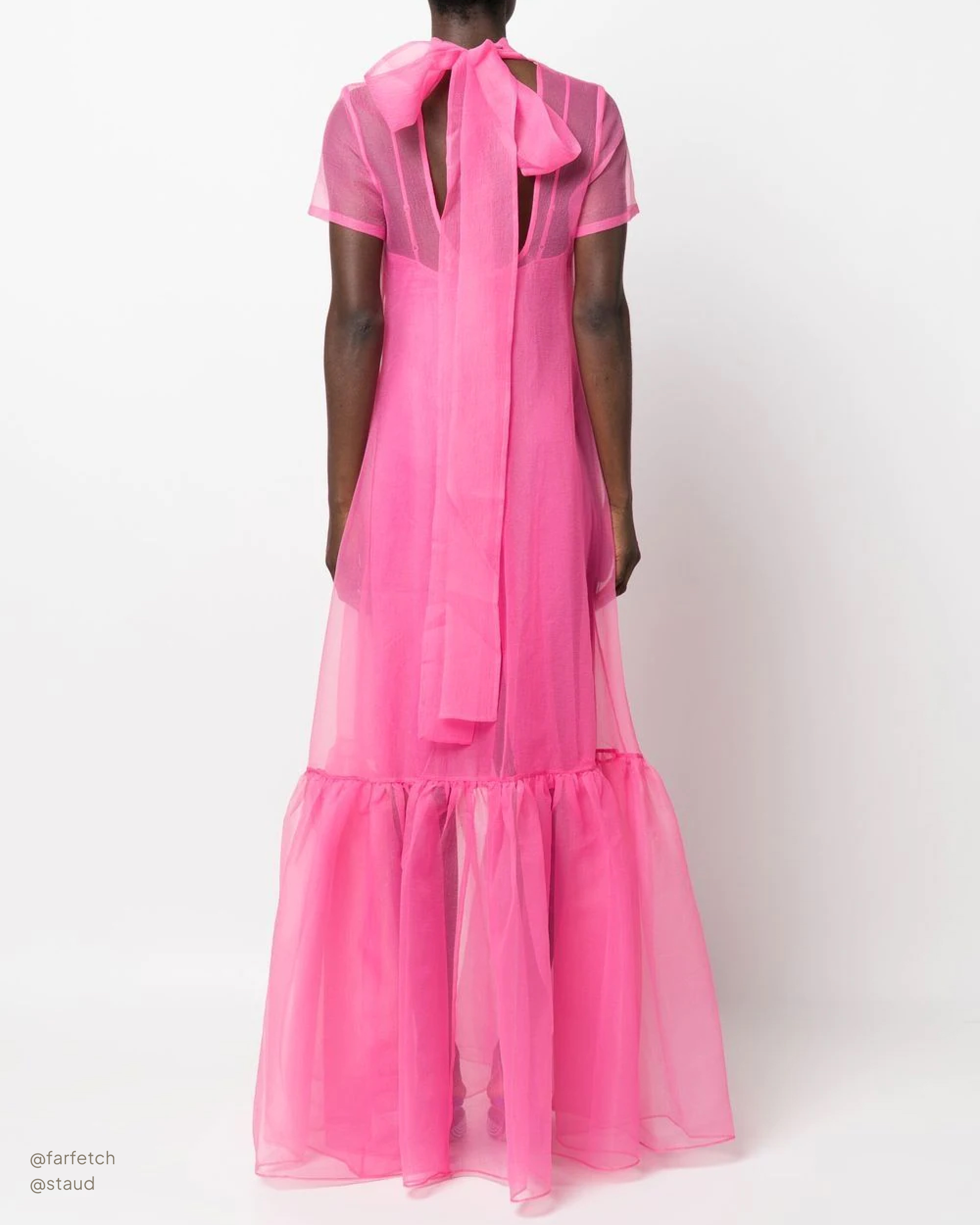
Build 02 / Admin
Bring the gown, event date, preferred fitting times, measurements, fulfilment choice and PayNow receipt into one protected view.
Search requests, add an internal note and move each one through new, confirmed, alternate-time, follow-up, refunded and closed states.
Open a prepared customer reply in Gmail or copy it for Instagram DM when an email address is not available.
Founder reflection
One By One brought research, identity, product design, content, pricing, fittings and daily operations into the same feedback loop. The second build was not a rejection of the app. It was the next decision: preserve the service, remove unnecessary friction and keep making the product easier to use.